
Shokupan: the bread behind our katsu sandos
· Katsu Asian Bistro
A katsu sando begins with two slices of bread. At Katsu, we use shokupan: a Japanese white loaf with a soft, fine crumb and a delicate crust. It makes room for the filling while bringing a texture of its own.
What is shokupan?
Shokupan (食パン) is a Japanese loaf baked in a rectangular tin. Some loaves have a rounded top; others are baked with a lid, giving them their familiar square shape.
Outside Japan, it is often called Japanese milk bread. Recipes vary, but the qualities associated with shokupan are softness, a fine, even crumb and a gentle spring when pressed. Sliced thickly for toast or more thinly for sandwiches, it is an everyday part of Japanese food culture.
A history with a Portuguese connection
Bread arrived in Japan with Portuguese visitors in the sixteenth century. The Japanese word pan comes from the Portuguese pão, a small linguistic connection that remains today.
The bread introduced then was different from the soft shokupan familiar today. Over the following centuries, bakers adapted European bread to Japanese tastes. Bread became more widely eaten after the Second World War, when imported wheat helped address food shortages. A preference for moist, soft textures shaped the development of the modern loaf.
Today, shokupan belongs as comfortably at the breakfast table as it does in a bakery window or a sandwich.
Why use shokupan for a katsu sando?
A katsu sando brings together a breaded, fried cutlet and sliced bread. Much of its appeal is in the meeting of textures: crisp coating, a tender centre and soft bread.
Shokupan suits that combination. Its fine crumb gives gently as you bite, allowing the bread and filling to be eaten together. It also takes up a little of the sauce, bringing the layers closer together.
That balance matters when the filling includes crunchy cabbage, creamy aioli or mayonnaise, and tonkatsu sauce. The bread is part of every mouthful.
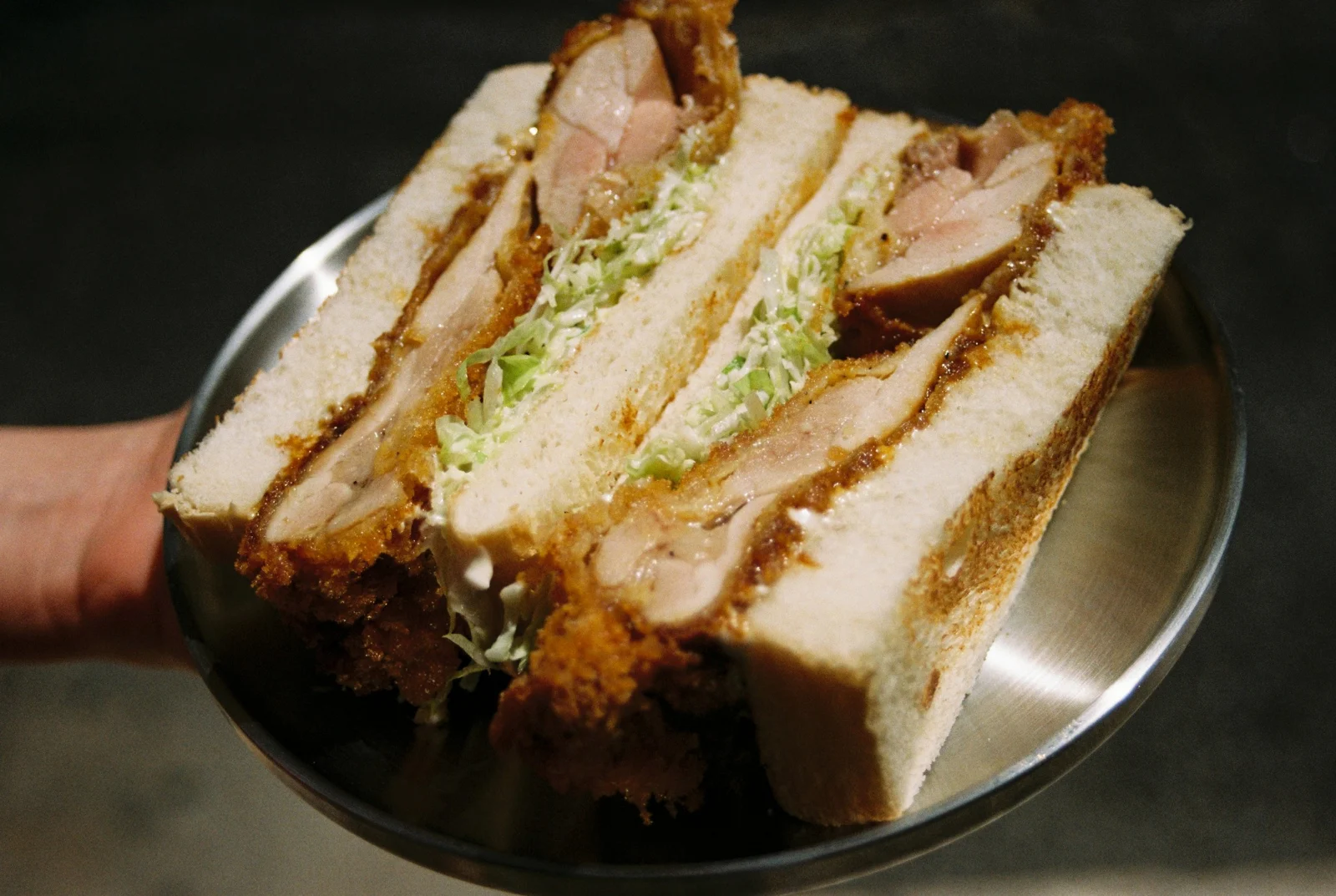
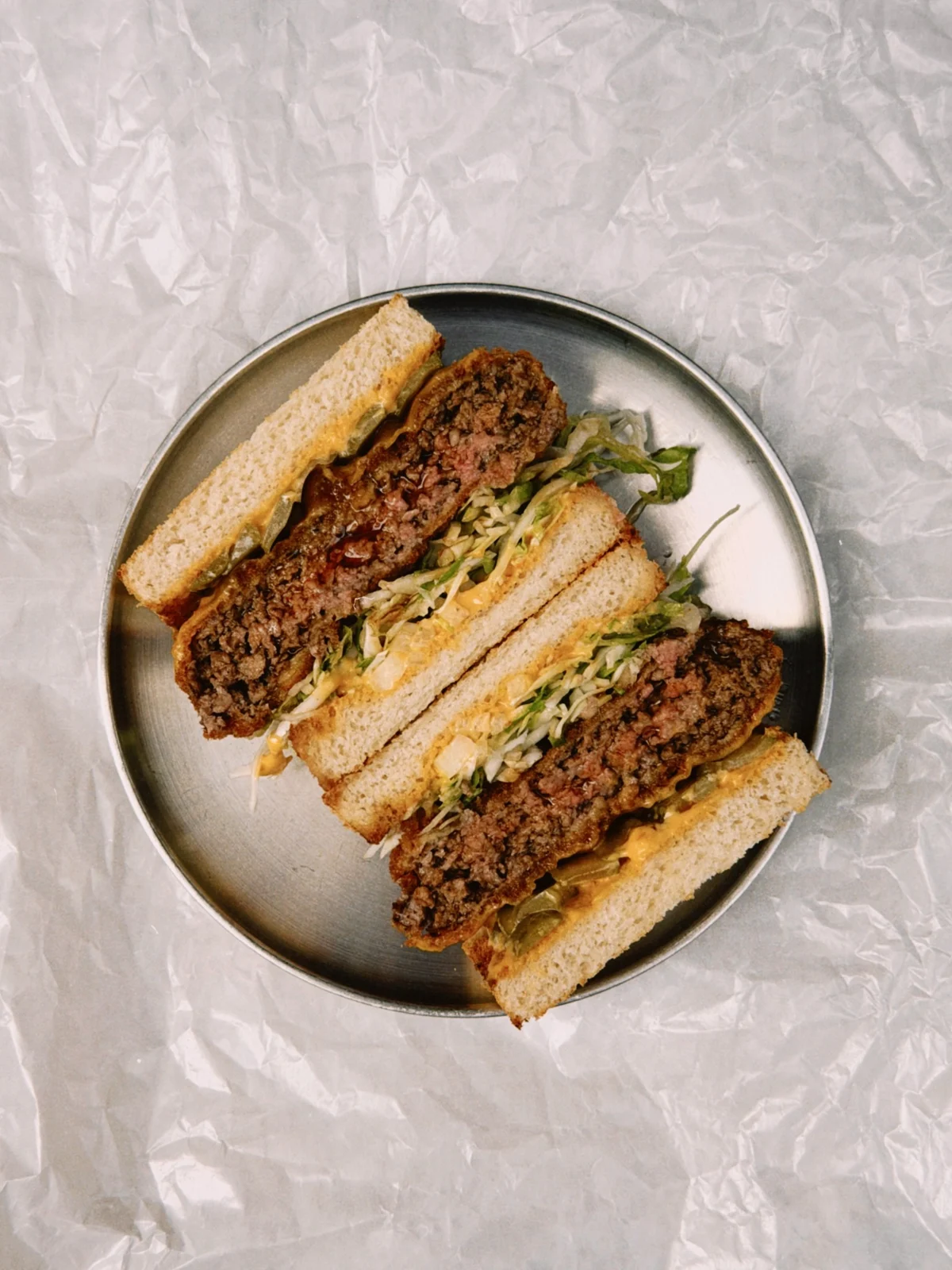
Shokupan at Katsu, from Do Beco
At Katsu, we currently source our shokupan from Do Beco.
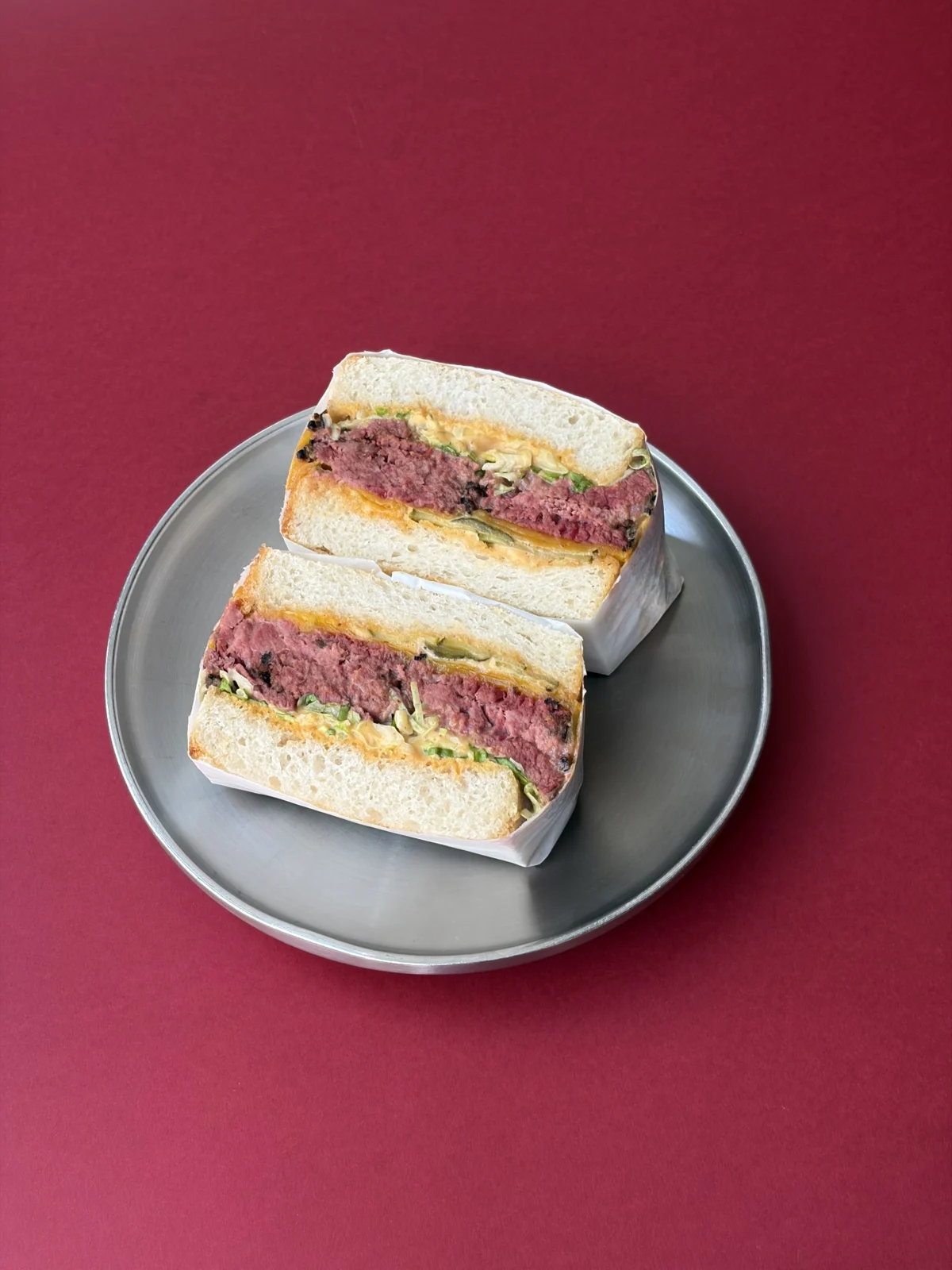
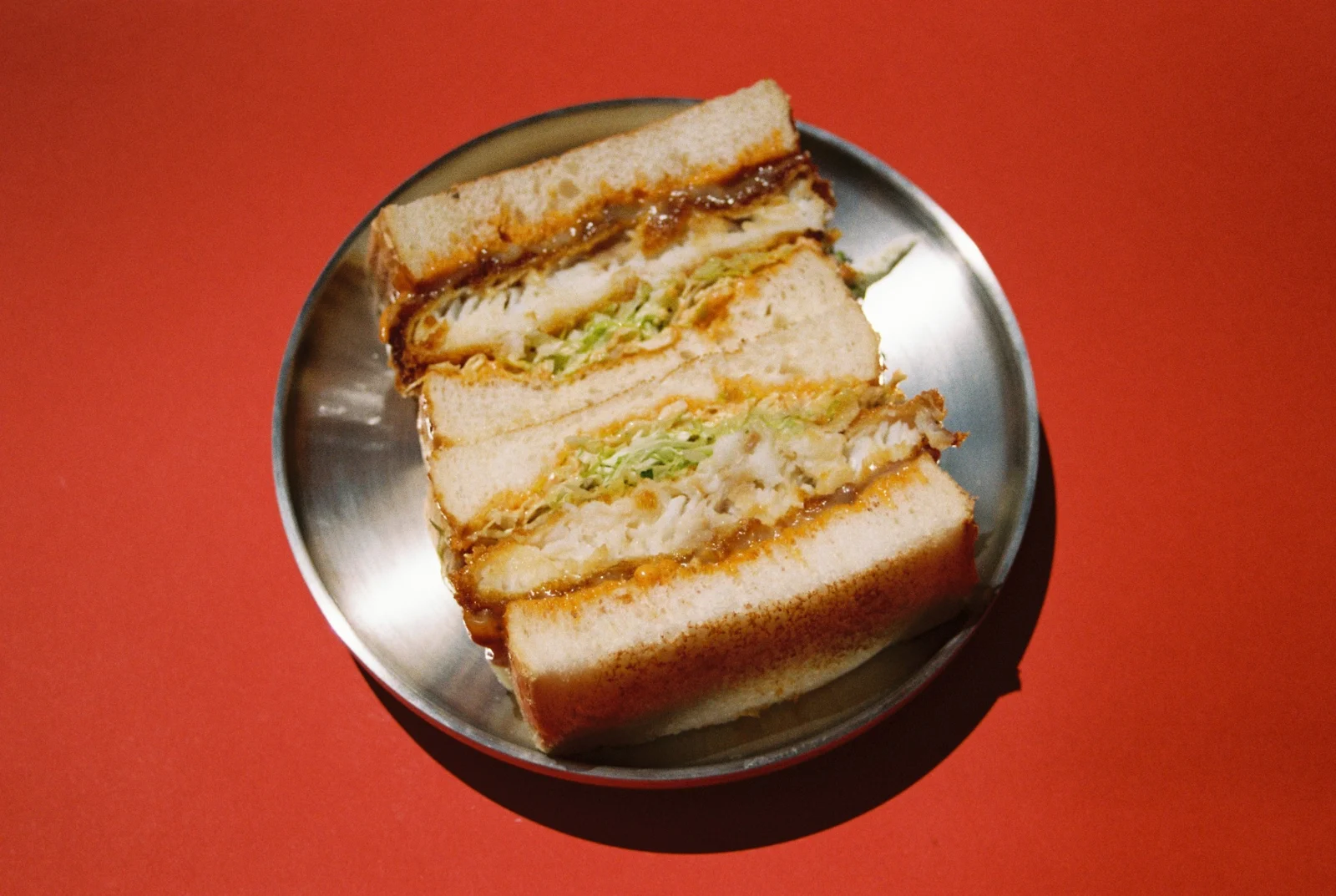
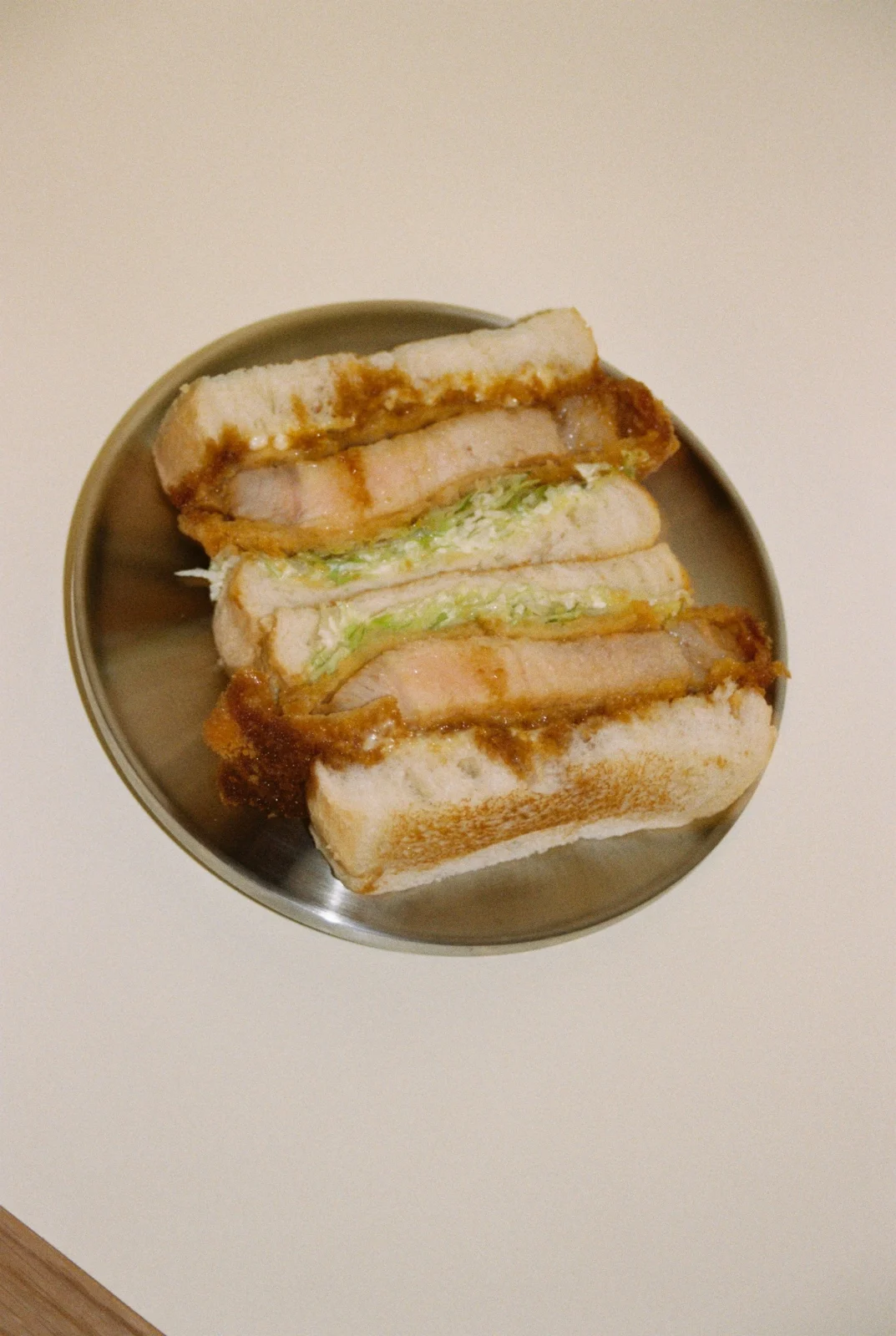
We use it across our katsu sando selection: chicken with anchovy aioli; pork with classic aioli; Lion’s Mane mushroom with kimchi mayo; and minced beef katsu with cheddar and pickles. Cabbage and tonkatsu sauce run through the selection, with each filling bringing a different flavour and texture.
The soft bread provides a common starting point. What happens between the slices changes with your choice.
Katsu sandos in Lisbon
At Katsu Asian Bistro in Lisbon’s Cais do Sodré, katsu sandos sit alongside sushi and homemade noodles on our menu. Join us for lunch or dinner, with natural wine, cocktails or matcha at the table.